Agenda
-
Problem
-
Historical Context: “Founding” Halifax
-
Locke on Possession
-
Hale on State Coercion
-
Henderson on International Relations
Unit 1 Problem: Wowkwis 🦊
-
Brainstorm
-
Historical Perspective
-
Thematic analysis
-
Legal analysis
Brainstorm
“Can either the hunter or the hiker successfully make a legal claim to the fox? If both can, is one claim stronger than the other, and if so why? Does anyone else have a possible claim?”
- What questions do you have about addressing this problem (e.g. steps you need to take, things you need to know, skills you need to apply)?
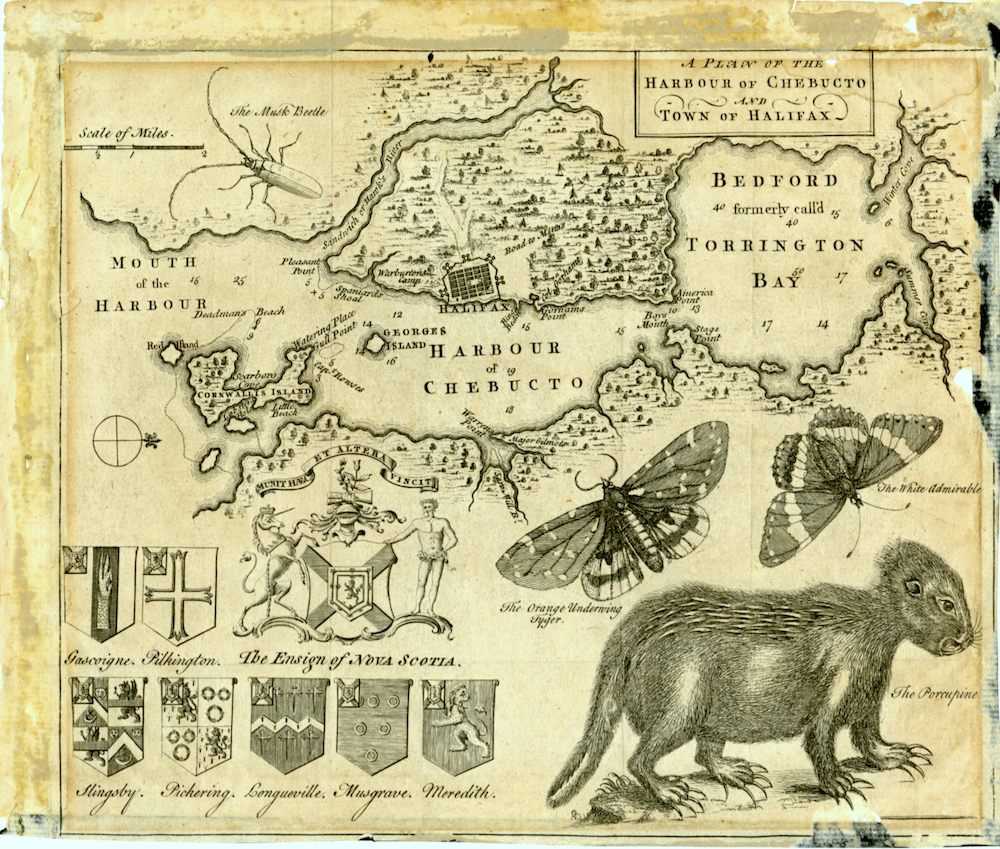
Historical Perspective: Halifax (1749)
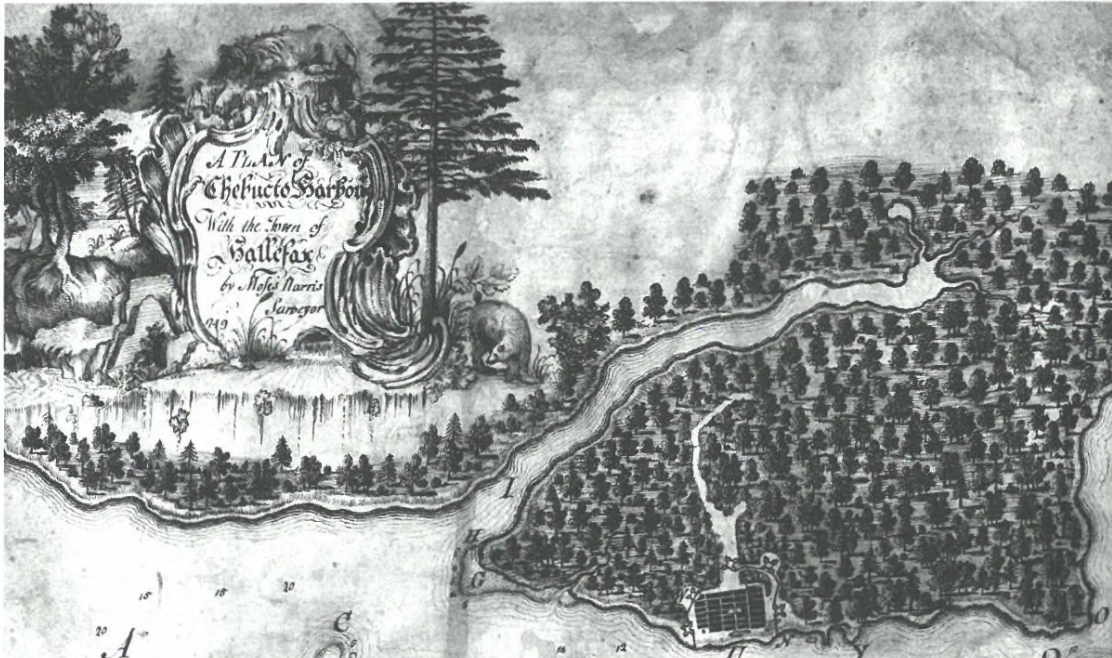
Historical Perspective: Halifax (1749)
Locke on Property
Where does Locke say that property comes from? Are there limits to Locke’s theory?
Locke on Property
How do Locke’s ideas about where property comes from apply to our problem? 🦊
Common law possession
What did the boys in Keron v Cashman need to do simultaneously to obtain possession?
Common law test for possession
- Intention to control
- Actual physical control
Keron v Cashman; “Pierson v Post”
Abandonment
-
Intention to permanently abandon the owner’s title, possession and control
-
Actual relinquishment of control
Manning v Algard Estate, 2008 BCSC 1129
“Actual physical control”: the rule of capture
Which “rule of capture” for wild animals (foxes) does each judge in Pierson v Post favour? Why?
Relativity of property and possession
“That the finder of a jewel, though he does not by such finding acquire an absolute property right of ownership, yet he has such a property as will enable him to keep it against all but the rightful owner”
Armorie v Delamirie
Relativity of possession (land)
“On the simple ground that possession is good title against all but the true owner, I think the plaintiff is entitled to succeed…”
Asher v Whitlock
Remedy: relativity of possession
“I am of the opinion that the money within the stocking must be treated as lost property, which was not “found,” in a legal sense, until the stocking was broken open during the play. At that time, and when so found, it was in the possession of all, and all the boys are therefore equally finders of the money, and it must be equally divided between them.”
Keron v Cashman
Ratione Soli
Common law rule: right to take possession of wild animals belongs to the owner of the land where the animal is found.
Keeble v Hickeringill
Was this case decided on the basis of ratione soli? If not, what was the basis of Chief Justice Holt’s finding for the plaintiff?
Locke on possession of “things” vs land
How does Locke distinguish between Indigenous rights to property in wild game compared to land? What is this distinction based on?
Hale on Property
Where does Hale say that property comes from? What are the necessary conditions/assumptions to make this theory work?
Charter of the Hudson Bay Company (1670)
And further, We do by these Presents, for Us, Our Heirs and Successors, make, create and constitute, the said Governor and Company for the Time being, and their Successors, the true and absolute Lords and Proprietors, of the same Territory, Limits and Places aforesaid, and of all other the Premisses, saving always the Faith, Allegiance and Sovereign Dominion due to Us, our Heirs and Successors, for the same to have, hold, possess and enjoy the said Territory, Limits, and Places, and all and singular other the Premisses, hereby granted as aforesaid, with their, and every of their Rights, Members, Jurisdictions, Prerogatives, Royalties and Appurtenances whatsoever, to them the said Governor and Company, and their Successors for ever, to be holden of Us, Our Heirs and Successors … in free and common Soccage"
Rupert’s Land
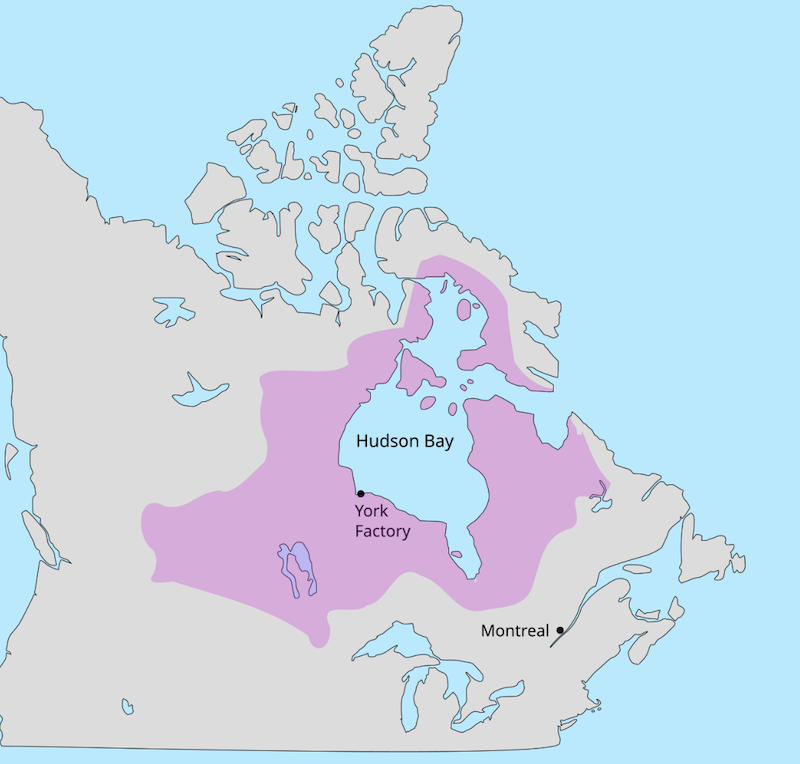
Charter of the Hudson Bay Company (1670)
King Charles II appears to grant property in Rupert’s Land to private enterprise, the HBC, with the stroke of his pen. Is this consistent with Hale’s view of where property comes from?
Hale on Property
How do Hale’s ideas about where property comes from apply to our problem? 🦊
Wildlife Act, RSNS 1989, c 504
How should we interpret and apply sections 4 and 26 of the Wildlife Act to our problem? Do these provisions definitively resolve the problem? Why or why not?
Henderson on Property
Where does Professor James [sákéj] Youngblood Henderson say that “property” comes from? How does this relate to what he calls the Nikmanen order?
Henderson on Property
How do Henderson’s ideas about where “property” comes from apply to our problem? 🦊
Peace and Friendship Treaties (1725 and 1752)
What is the legal function of these treaties in Henderson’s view? How does this function relate to questions of property?
Mi’kmaw Law and Netukulimk
“Netukulimk is the responsibility to maintain the ecology and the human order using the principles of belonging and respect.” (Battiste)
Context of Treaty and Legal Pluralism
Can you think of any ways that Mi’kmaw legal principles and Anglo-Canadian legal principles could be reconciled or aligned to address our problem? Are there aspects that you think are irreconcilable?